The leap from standard high school classes to professional undergraduate degrees feels less like a step and more like an absolute jolt. When you are pursuing a highly competitive field—whether that is finance, corporate law, engineering, or international business—your success is no longer calculated solely by your grade point average. The modern higher education ecosystem demands a multi-track existence. You are expected to absorb deep theoretical concepts, pass ruthless examination cycles, and simultaneously log hundreds of hours in corporate internships to prove you can function in a real office before you even graduate.
This high-stakes environment turns time into your most volatile asset. When everything feels urgent, nothing takes priority. Undergraduates frequently fall into the trap of reactive panic, rushing from an online seminar to a mid-term exam review, then sprint across town to complete an afternoon internship shift. Without a tactical framework, this frantic routine leads straight to cognitive exhaustion and dipping grades. To survive and actually build a strong career launchpad, you need to step back from the daily rush and intentionally structure your academic and professional commitments.
The Myth of “Doing It All” and the Reality of Trade-offs
The first real lesson of professional track education is that balanced time management does not mean giving equal energy to every single task on your desk. That is physically impossible. True management is about calculating the exact return on investment for your energy. A common mistake is spending six hours perfection-editing a minor discussion board post while a major case study remains completely unwritten.
To break this cycle, you have to treat your weekly schedule like a dynamic project portfolio. Not all deadlines carry the same weight, and recognizing which ones require absolute perfection versus those that simply require competent completion is a crucial life skill. When deadlines stack up across three different modules simultaneously, smart students look for external levers to keep their performance steady. For instance, across North American institutions, thousands of students choose to hire someone to do assignment writing for their elective, non-core modules. This isn’t about avoiding work; it is a tactical decision to free up twenty hours of intense research time so they can focus entirely on preparing for a vital finance exam or nailing an end-of-week internship presentation.
Building the Strategic Priority Matrix
To organize your commitments without dropping the ball, you have to separate your tasks into distinct categories based on long-term impact rather than immediate panic. Using a structured matrix helps you visualize where your energy goes and prevents you from spending valuable morning brainpower on low-value tasks.
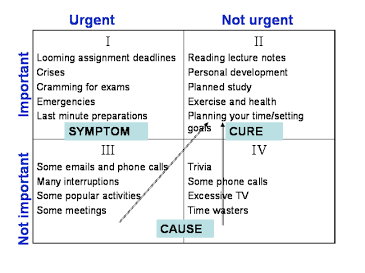
As shown in the framework above, tasks can be broken down into four clear quadrants:
- Quadrant I (Urgent & Important): These are your immediate fires. A final exam tomorrow morning, a live client presentation at your internship, or a sudden legal brief deadline. These require immediate, focused execution.
- Quadrant II (Not Urgent but Important): This is where true academic excellence is built. It includes long-term exam preparation, reading case laws early, and building professional relationships at your workplace. The goal is to maximize time spent here so Quadrant I never becomes overwhelming.
- Quadrant III (Urgent but Not Important): These are the persistent noise. Last-minute administrative emails, elective group chats that go in circles, or minor peer reviews. Minimize or delegate these wherever possible.
- Quadrant IV (Not Urgent & Not Important): Pure distractions. Endless social media scrolling, or over-analyzing past grades. Eliminate these during crunch weeks.
Tackling the Unique Hurdles of Specialized Legal Studies
While business and engineering tracks have their own distinct pressures, undergraduate legal studies present a completely unique structural challenge. Legal education requires a massive shift in how you process language. You are not just reading to understand a narrative; you are searching for micro-nuances, tracking shifting statutory definitions, and learning how to apply rigid historical precedents to highly ambiguous corporate problems.
When you mix this heavy reading load with a demanding law firm internship, the academic writing requirements can easily become overwhelming. This is where precision training meets real-world application. To ensure your written analyses match rigorous professional standards, leveraging expert academic support through MyAssignmentHelp law assignment help models becomes an incredibly effective learning tool. Analyzing an expertly drafted legal analysis shows you exactly how to organize complex facts, cleanly apply the IRAC (Issue, Rule, Analysis, Conclusion) framework, and craft objective, persuasive legal arguments. It transforms a stressful writing assignment into a practical learning blueprint, saving you hours of structural trial-and-error while keeping your grades secure.
The Synergy Matrix: Turning Academics into Professional Capital
To make your busy schedule work for you instead of against you, look for ways to combine your academic topics with your practical internship work. If you are learning about international trade laws or corporate governance in your university lectures, actively look for opportunities to apply those specific concepts during your internship projects. This dual-focus approach creates a powerful learning loop: your real-world experience gives you unique, practical examples to include in your university essays, while your academic reading helps you stand out in the office as an informed, forward-thinking intern.
| Operational Domain | The Strategic Focus | The Optimization Method |
| Core Technical Studies | Deep conceptual mastery of complex, foundational subject material. | Spend your peak cognitive energy hours here; use active recall and detailed case-mapping templates. |
| Professional Internships | Practical skills, building real industry connections, and workplace execution. | Treat every corporate task as a live interview; protect your work hours from academic distractions. |
| Academic Deliverables | Weekly essays, research papers, and routine portfolio reviews. | Use verified reference databases and academic models to speed up your early drafting phases. |
Practical Tactics to Prevent Burnout and Keep Momentum
Sustaining this intense pace across an entire three or four-year degree requires more than just a calendar app. It demands strict boundaries and sharp routine habits. Here are three practical rules that top-performing professional-track students use to stay ahead of the curve:
1. Hard Time-Blocking Over To-Do Lists
To-do lists are passive wishes; time-blocks are firm commitments. Allocate specific, uninterrupted blocks of time for distinct tasks. If your calendar says 9:00 AM to 11:30 AM is for corporate finance study, your phone stays in another room, your email tabs are closed, and you focus entirely on that one subject.
2. Communicate Early with Your Managers
Do not wait until the night before a major university exam to tell your internship supervisor that you cannot come into the office. Take a look at your university syllabus during week one, note down your major exam dates, and hand those dates to your workplace manager immediately. Professional managers respect proactive planning, and they will gladly adjust your shift schedule if you give them ample warning.
3. Protect Your Cognitive Health
Studying for fourteen hours straight on three hours of sleep is a recipe for diminishing returns. Your brain needs rest to convert short-term information into long-term memory. Treat sleep, proper nutrition, and brief breaks as mandatory project requirements. Protecting your physical energy is what keeps your focus sharp when you step into an exam room or a corporate boardroom.
Frequently Asked Questions (FAQ)
Q.1 How do I handle an internship supervisor who demands extra hours during my university finals week?
Ans: The key is proactive, clear communication. Always share your complete exam schedule with your supervisor at least three to four weeks in advance. Remind them politely a week before finals start, and offer to make up your missed internship hours over the upcoming semester break. Most corporate managers completely understand and will support your academic priorities if you give them enough time to plan around your absence.
Q.2 Can I include my internship experience inside my university essay assignments?
Ans: Yes, and you absolutely should. Introducing real-world case studies and practical observations from your workplace into your university essays is a brilliant way to add “Information Gain.” It proves to your professors that you can comfortably connect academic theories with real-world industry practice, which naturally helps you score higher marks.
Q.3 What is the most effective way to read long, dense legal cases when time is limited?
Ans: Never read a multi-page legal case linearly like a novel. Start by reading the official summary or headnote to grasp the core issue and the final ruling. Once you understand the final outcome, read the specific section containing the judge’s reasoning. This structured approach helps you quickly pull the vital legal principles out of the text without getting bogged down in endless pages of procedural details.
About The Author
My name is Mark Hales, and I am an academic consultant and content strategist at MyAssignmentHelp. With over a decade of experience navigating higher education frameworks and professional training pathways, I specialize in helping undergraduate students bridge the gap between heavy academic workloads and real-world career readiness.